Things to Do in Dhaka in July
July weather, activities, events & insider tips
Low Season · Budget Friendly
July Weather in Dhaka
Long-run averages for July
89°F (32°C)
High Temp
79°F (26°C)
Low Temp
15.4 inches (391 mm)
Rainfall
85%
Humidity
11
Sunny-Day UV
⚠ Monsoon flooding and severe waterlogging affect low-lying roads across Dhaka throughout July. Mirpur, Mohammadpur, and parts of Motijheel are vulnerable, and standing water can strand vehicles for hours during and after heavy downpours.
⚠ Dengue fever risk peaks sharply during monsoon months as stagnant rainwater creates mosquito breeding grounds citywide. The Aedes aegypti mosquito bites during daylight hours, not just evening, making continuous DEET-based repellent use essential rather than optional.
⚠ The Buriganga and surrounding rivers rise significantly in July, and areas near the riverbank including parts of Sadarghat can experience rapid water-level changes during sustained heavy rain. Exercise caution near the waterfront and follow local guidance on river conditions.
Is July Right for You?
Weigh the advantages and considerations before booking
Advantages
- + Peak hilsa season makes Dhaka the best place on earth to eat Bangladesh's national fish. Steamed in mustard paste. Wrapped in banana leaf. Fried until the skin crackles. July is when the Padma River hilsa runs fattest, and the city's oldest restaurants and street stalls compete to serve it at its absolute peak. This alone justifies the trip.
- + Rock-bottom prices on accommodation and internal flights. July sits squarely in Dhaka's low season, so hotels in Gulshan and Banani that would cost double in the dry winter months are suddenly negotiable. You will likely have the city's museums, forts, and cultural sites mostly to yourself.
- + The monsoon transforms Dhaka's photography potential. Overcast skies kill harsh shadows. Puddles become mirrors reflecting Mughal archways and rickshaw wheels. The late-afternoon light after a storm breaks carries a copper warmth that the dry-season haze never delivers. The Buriganga River swells to cinematic proportions at Sadarghat.
- + You experience the city the way Dhaka lives, not the sanitized version packaged for winter tourists. Monsoon is when Dhaka eats khichuri and beguni during downpours. Chai stalls under corrugated tin roofs become neighborhood parliaments. The rhythm of the city bends around the rain instead of fighting it. This is the most culturally honest version of the place.
Considerations
- − Waterlogging is not a metaphor. After heavy downpours, streets in Motijheel, parts of Mirpur, and low-lying stretches of Mohammadpur can flood knee-deep within an hour. Traffic, already Dhaka's most notorious feature, grinds to a standstill during and after storms, and a 3 km (1.9 mile) journey across town can take over two hours. Plan for it. Or it will wreck your schedule.
- − The humidity at 85% is oppressive. Stepping outside feels like walking into a warm, wet towel. Even standing still you will be damp within minutes. Air conditioning becomes a survival tool, not a luxury, and the constant indoor-outdoor temperature swings leave most first-timers feeling drained by mid-afternoon.
- − Dengue mosquito activity peaks during monsoon months. Standing water from the rains creates breeding grounds across the city, and the Aedes mosquitoes that carry dengue bite during the day, not just at dusk. This is a serious health consideration that requires DEET-based repellent applied consistently, not as an afterthought.
Best Activities in July
Top things to do during your visit
Dhaka in July sits at the monsoon's peak. This is the wettest month of the year. Average rainfall hits 15.4 inches, dwarfing every other period on the calendar. Afternoon skies crack open without warning. They send sheets of warm rain across the Buriganga. They flood the narrow lanes of Old Dhaka into ankle-deep rivers. Rickshaw-wallahs navigate these with practiced indifference. The air holds steady at 32 degrees Celsius during the day. It barely drops below 26 at night. The city wraps itself in a warm, close atmosphere. It smells of wet earth, diesel exhaust, and jasmine garlands strung outside neighborhood mosques. The light shifts constantly. One hour the sun breaks through in thick golden columns. The next, the sky goes slate-grey and the rain resumes. It drums on corrugated rooftops with a rhythm that becomes the background score to everything you do here. July in Dhaka is not for fair-weather visitors. That is precisely its advantage. The crowds thin at major sites. Restaurants and tea stalls along Sadarghat feel less pressured. Their owners linger over conversation. The city's food scene reaches a monsoon-specific register. Ilish, the prized hilsa shad, enters its peak season. The fish appears everywhere. Smoked. Fried in mustard oil until the skin crackles. Steamed inside banana leaves that release a grassy, peppery fragrance when unwrapped. Street vendors along Chowk Bazaar fry beguni, battered eggplant slices, and piyaju, lentil fritters, in vats of sizzling oil. The sharp tang of tamarind chutney cuts through the warm, saturated air. Early mornings tend to be drier. Late afternoons often clear. Time your movements around the rain. Dhaka in July rewards you with a city operating at its most unguarded and its most flavorful. Getting around Dhaka demands patience in any month. July adds logistical reality. Waterlogged intersections slow traffic further. The already dense tangle of rickshaws, CNGs, and buses moves at a crawl through certain corridors. around Motijheel and Farmgate. A private airport transfer arranged in advance removes the single most stressful segment of any Dhaka trip. The airport-to-hotel gauntlet. It frees you to spend your energy on the city itself. For families or first-time visitors wondering what to do with a day or a weekend, the answer in monsoon-season Dhaka is the same as always. Eat seriously. Explore Old Dhaka on foot. Let the city's sheer density of human activity become the attraction itself. The call-and-response of hawkers. The clatter of shipyard hammers echoing off the river. Thousands of cycle rickshaws threading through gaps that seem impossibly narrow.

Photography In Dhaka
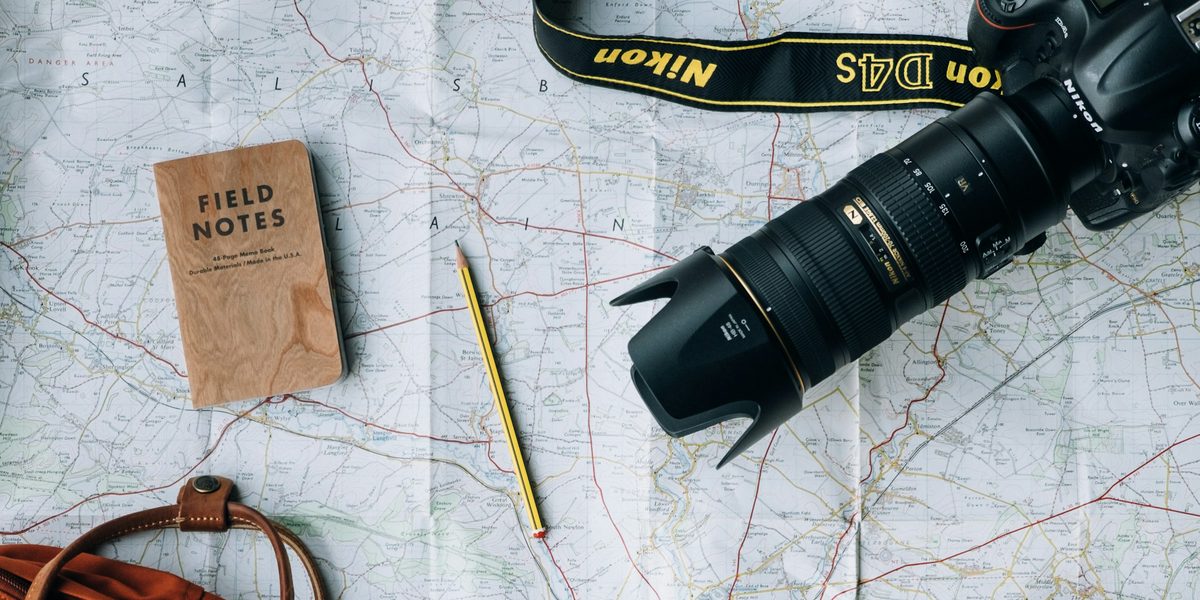
otherPhotography In Dhaka pairs you with a local guide who knows the city's visual grammar. Where the morning light rakes across the pink walls of Ahsan Manzil. Which alleyways in Shakhari Bazar fill with the blue-grey smoke of metalworkers' forges. When the flower sellers at Shahbagh spread their stock into carpets of marigold and tuberose that glow even under overcast monsoon skies. This is not a generic photo walk. It covers ground most visitors never reach. It moves through Dhaka's working neighborhoods where the textures compose themselves into frames that feel earned rather than staged. Peeling colonial plaster. Rain-slicked cobblestones. The deep green of banana leaves framing a tin-roofed chai stall. In July, the diffused cloud-light and rain-wet surfaces add a cinematic quality to every shot. They eliminate the harsh midday shadows that flatten tropical street photography during the dry months.
Dhaka is one of the most visually dense cities on earth. This guided experience puts you in its most photogenic corridors with someone who knows the light, the angles, and the people.
Insider tip: Bring a rain sleeve or ziplock bags for your camera gear. July downpours arrive fast. The best shots often come in the ten minutes after the rain stops, when the streets steam and the light goes soft and golden.
This month: July's overcast skies and frequent rain produce soft, even lighting good for street portraiture and architectural detail. A genuine advantage over the harsh sun of March or April.

Authentic Old Dhaka Tour: Shipyard Visit & Local Life Experience
guided_experienceAuthentic Old Dhaka Tour: Shipyard Visit and Local Life Experience takes you into the industrial waterfront south of Sadarghat. Wooden cargo vessels are built and repaired by hand using techniques that have barely changed in a century. The sound here is relentless. Steel hammers ringing against hull plates. The rasp of hand-saws biting through teak. The shouts of workers coordinating a hull launch into the dark, oil-sheened water of the Buriganga. The tour continues into the residential lanes of Old Dhaka. Past spice merchants whose open sacks of turmeric and dried chili release a peppery heat you can taste at the back of your throat. Through the Hindu quarter of Shakhari Bazar where conch-shell craftsmen sit cross-legged in doorways. Into hole-in-the-wall restaurants where biryani arrives in clay pots sealed with dough. The lid cracked open at your table to release a cloud of saffron-scented steam.
The Sadarghat shipyards are among the last places in South Asia where ocean-going wooden vessels are still built by hand. Most travelers walk right past them.
Insider tip: Wear shoes you do not mind getting muddy. The shipyard paths turn to slick clay after rain. In July that means nearly every visit.
This month: The Buriganga runs high and fast in July as monsoon runoff swells the river. Launched vessels hit the water with a dramatic splash that draws crowds of dockworkers. A spectacle rarer in the dry months when the river sits lower.

Dhaka Private Airport Transfer, 24/7 Pickup & Drop-Off
transportDhaka Private Airport Transfer: 24/7 Pickup and Drop-Off eliminates the single most chaotic moment of any Dhaka trip. Hazrat Shahjalal International Airport drops you into a wall of noise. Touts, taxi fixers, the whine of CNG auto-rickshaws jockeying for position. Navigating that gauntlet after a long-haul flight, in the dark, with luggage, is the fastest way to start your trip on the wrong foot. This service meets you inside the terminal with a name board. It handles your bags. It delivers you to your hotel in an air-conditioned vehicle while Dhaka's traffic sorts itself out around you. In July, monsoon rains can waterlog the airport access roads and triple the usual travel time to Gulshan or Banani. Having a driver who knows the alternate routes through Uttara is not a luxury. It is basic logistics.
Dhaka's airport-to-city transfer is the highest-friction moment in any Bangladesh itinerary. Removing that friction changes the entire tone of your arrival.
Insider tip: Book the return transfer at least three hours before an international departure. July flooding on Airport Road can turn a forty-minute drive into nearly two hours with no warning.
This month: July's heavy rainfall regularly floods the low-lying stretches of Airport Road and Kuril. A pre-arranged driver with local route knowledge is valuable.

Discover Dhaka City Like a Local
otherDiscover Dhaka City Like a Local covers ground that no self-guided walk can replicate. It threads through the city's layered neighborhoods with a resident who explains not just what you are seeing but why it is there. The route moves from the Mughal-era remnants of Lalbagh Fort, where the crumbling red-brick ramparts smell of moss and old stone after a rain shower. Through the commercial chaos of New Market, where the sharp clatter of sewing machines spills from upper-floor garment workshops. Into the residential lanes of Dhanmondi, where banyan trees arch over the road and families gather at the lakeside in the cooler evening hours. The experience includes food stops chosen by the guide, not a set menu. What you eat depends on what looks best that day. An important distinction in a city where the street food changes with the season and the rain.
Dhaka does not reveal its logic to outsiders easily. A local guide collapses weeks of confused wandering into a single coherent day.
Insider tip: Ask your guide to include a stop at a neighborhood tea stall for seven-layer cha. The layered tea is a Dhaka specialty. The best versions are found in Mirpur and Old Dhaka, not in the tourist-facing cafes of Gulshan.

Dhaka City Tour Like Locals
guided_experienceDhaka City Tour Like Locals takes a guided-experience approach that emphasizes the routines of daily life over monument-hopping. You ride local transport. Rickshaws, river ferries, the occasional CNG. Rather than sitting in an air-conditioned van watching Dhaka slide past a window. The ferry crossing from Sadarghat to the south bank has a sensory immersion that no land-based tour can match. The diesel-and-river-mud smell of the Buriganga. The rocking of the wooden boat under your feet. The panoramic view of Dhaka's waterfront where colonial-era warehouses stand shoulder to shoulder with corrugated-iron workshops and the minarets of riverside mosques. On the south bank, the guide walks you through produce markets where pyramids of green mangoes, jackfruit the size of a child's torso, and bundles of leafy greens glisten with water from the morning spray-down. Back in Old Dhaka, the lanes narrow to the width of a single rickshaw. The air thickens with the smell of frying jilapi and the sound of hammers from the brass-workers' quarter.
Using local transport instead of a private car means you experience Dhaka at the speed and proximity that residents do. Close enough to smell the charcoal smoke from a kebab vendor's grill as you pass.
Insider tip: Carry a small dry bag for your phone and wallet. The open-sided rickshaws and ferry crossings leave you exposed to sudden rain. July delivers sudden rain without apology.

Srimangal Overnight Private Tour from Dhaka
day_tripSrimangal Overnight Private Tour from Dhaka escapes the capital entirely. It heads northeast to the tea country of Sylhet Division. The landscape shifts from Dhaka's concrete density to rolling hills covered in neat rows of waist-high tea bushes that, in July, glow an almost electric green under the monsoon rain. Srimangal sits at a lower elevation than the surrounding Khasi hills. The town catches moisture-laden air that keeps the tea estates lush and dripping. Walking through the rows in the early morning, you feel cool droplets falling from leaf to leaf. You hear the soft percussion of rain on the canopy. You smell the sharp, vegetal scent of fresh tea leaves bruised underfoot. The tour typically includes a visit to Lawachara National Park. A patch of semi-evergreen forest where hoolock gibbons, the only apes native to Bangladesh, swing through the upper canopy. Their whooping calls carry across the wet treetops. At night, the town goes quiet. The soundtrack narrows to frogs, crickets, and the steady hiss of rain on tin roofs.
Srimangal is Bangladesh's tea capital and the closest thing to a hill-station escape from Dhaka's heat and density. Reachable in a half-day's drive.
Insider tip: Request a stop at a tea-tasting session at one of the smaller estates rather than the large commercial operations. The orthodox-process teas produced in small batches have a floral, almost muscatel quality that the mass-market CTC teas sold in Dhaka cannot match.
This month: July is peak monsoon in Srimangal. Rainfall here exceeds even Dhaka's. The tea estates are at their most lush and photogenic. Forest trails in Lawachara can be muddy and slippery. Sturdy footwear with grip is essential.
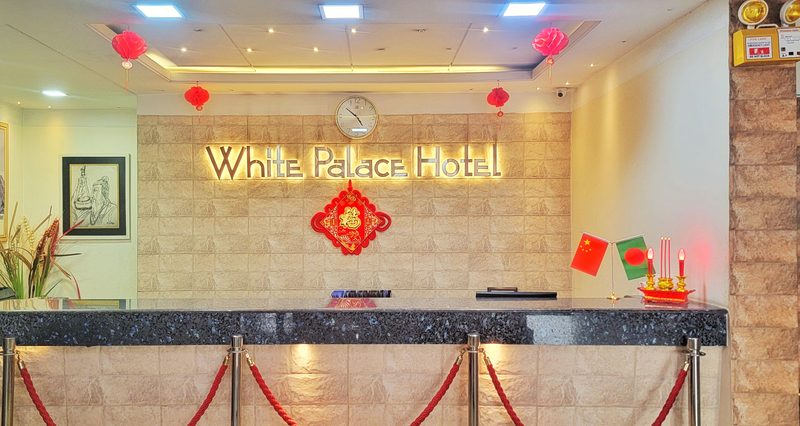
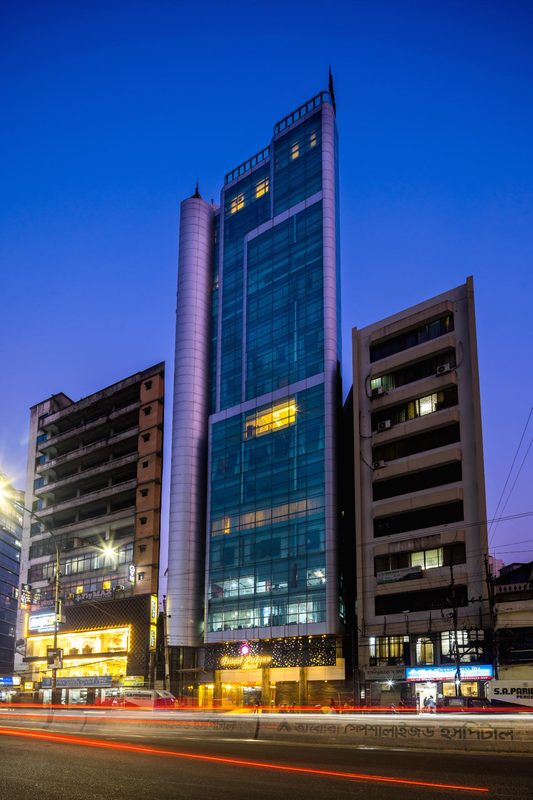
Where to Stay in Dhaka in July
Hand-picked hotels across price tiers for July travellers.
Packing Checklist
Bookmark this page — your progress is saved between visits
Need the full list with shopping links?
Climate-specific gear, brand recommendations, and what to leave at home.
View Dhaka Packing List →Essential Tips
Insider knowledge and common pitfalls to avoid
Insider Knowledge
Mornings before 10 AM are your window for everything outdoor. The pattern in July is relatively clear skies at dawn, building heat through mid-morning, then cloud buildup and rain between roughly 2 PM and 5 PM, followed by a cooler, often gorgeous evening. Structure your day around this. Outdoor walks and photography before 10, air-conditioned museums and lunch through the afternoon storm, then evening food exploration once the streets dry. Locals have internalized this rhythm so they do not think about it. But it will save you from the worst of both the heat and the rain.
When it rains, eat. This is not just practical advice. It is cultural instruction. Dhaka has an embedded monsoon food tradition: the moment rain starts, street vendors begin frying beguni and piyaju, tea stalls switch to the heavier monsoon chai, and households start their khichuri. Ducking into a neighbourhood restaurant during a downpour and ordering the monsoon comfort menu is how you eat the way Dhaka eats, not as a tourist performing a food tour but as someone who understands what rain means here.
CNG auto-rickshaws are more reliable than ride-hailing apps during monsoon flooding. When streets waterlog, app-based drivers cancel constantly because they cannot reach your pickup point or refuse flooded routes. CNG drivers, who know the city block by block, will negotiate alternate routes through backstreets. Always agree on the fare before getting in, and expect it to be higher during active rain. This is standard, not a scam. For Old Dhaka specifically, the hand-pulled and pedal rickshaws remain the only option in lanes too narrow for motorized vehicles, and their drivers are remarkably skilled at navigating flooded alleys.
The Gulshan and Banani neighbourhoods in Dhaka's north are where you will find air-conditioned cafes, international restaurants, and the kind of infrastructure that lets you recover from monsoon fatigue. But do not make the mistake of staying there exclusively. These areas feel like a different city from Old Dhaka, and the 12 km (7.5 mile) gap between them can take ninety minutes in monsoon traffic. Base yourself in one but commit to at least two full days in the other. The cultural and sensory gap between the two halves of Dhaka is the most interesting thing about the city, and July amplifies it.
Avoid These Mistakes
Scheduling a packed outdoor itinerary as though July were a European summer. The combination of 32°C (89°F) heat, 85% humidity, and afternoon downpours means you can realistically handle one major outdoor excursion per day, not three. Travelers who try to power through Lalbagh Fort, Sadarghat, and Ahsan Manzil in a single afternoon end up heat-exhausted, rain-soaked, and stuck in traffic simultaneously. Pick one outdoor anchor per morning, one indoor activity for the afternoon, and leave the evening open for food.
Ignoring waterlogging routes and getting stranded in traffic. Certain Dhaka roads flood predictably in monsoon. Mirpur Road near its southern stretch, parts of Elephant Road, low-lying areas around Mohammadpur. A vehicle stuck in waterlogged traffic cannot reverse or reroute. Ask your hotel or guide which routes are flooding currently before heading out each morning, and build an extra hour into every cross-city journey. Locals check social media and news reports for real-time waterlogging updates. Your guide should be doing the same.
Skipping Old Dhaka because of the weather. The monsoon makes Old Dhaka harder to navigate, yes, but it also makes it more visually dramatic, less crowded, and more culturally alive than the dry season version tourists usually see. The Shankhari Bazar artisans are still working, Kawran Bazar is still roaring, and the food is better in July than any other month. The travelers who retreat to Gulshan cafes for the entire trip leave having seen Dhaka's body but not its heart.
Ready to plan your trip to Dhaka?
Now that you've got the research covered, here's where to go next.
Explore More Activities in Dhaka
Didn't see anything interesting yet?
Browse Viator's full catalog of tours, day trips, food experiences, and private guides in Dhaka.
See All Dhaka Tours on Viator