Things to Do in Dhaka in May
May weather, activities, events & insider tips
Low Season · Budget Friendly
May Weather in Dhaka
Long-run averages for May
92°F (33°C)
High Temp
76°F (24°C)
Low Temp
10.7 inches (272 mm)
Rainfall
74%
Humidity
9
Sunny-Day UV
⚠ Pre-monsoon nor'westers (kalbaishakhi) strike with little warning, bringing wind gusts exceeding 80 km/h (50 mph), intense lightning, and torrential rain lasting thirty to sixty minutes. These storms can topple trees, knock out power, and flood low-lying roads within minutes. When the sky darkens rapidly and the wind shifts, move indoors immediately. Do not shelter under trees or tin-roofed structures.
⚠ Waterlogging after heavy rain turns streets in Motijheel, Mirpur, and parts of Jatrabari into knee-deep wading zones. Standing floodwater in Dhaka mixes with storm drains and is not safe to walk through in open sandals. Avoid low-lying underpasses and street-level areas until water recedes, which can take several hours.
⚠ Mosquito-borne illness risk rises in May as standing water from early rains creates breeding grounds. Dengue transmission climbs through the pre-monsoon and monsoon months. Apply repellent at dusk. Sleep under air conditioning or a treated net. Seek medical attention promptly for any high fever with body aches.
Is May Right for You?
Weigh the advantages and considerations before booking
Advantages
- + Dhaka's tourist crowds, already thin compared to Southeast Asian capitals, drop to almost nothing in May. The National Parliament Building, Lalbagh Fort, Ahsan Manzil; you'll likely have major landmarks to yourself on weekday mornings. The few travelers you do meet tend to be long-haulers and photographers. They want to talk about the city. They aren't just ticking a checklist.
- + Accommodation rates across Gulshan, Banani, and Dhanmondi fall noticeably from their winter peaks. Hotels that require booking weeks ahead during the cooler November-to-February window often have same-week availability in May. You're more likely to score upgrades. Late-checkout courtesies come easier too. Low occupancy has its perks.
- + The pre-monsoon nor'westers that sweep through Dhaka in late April and May are violent, gorgeous, and oddly clarifying. After a storm blows through, the air temporarily drops several degrees. The haze lifts enough to see the cityscape with sharper definition than you'll get in any other season. Photographers who've shot Dhaka across all twelve months will often tell you their best sky-and-skyline frames came from May evenings after a nor'wester cleared out.
- + Seasonal fruit peaks in May. Mangoes; the Langra, Fazli, and Himsagar varieties that Bangladeshis argue about the way the French argue about cheese. Start flooding the markets at Karwan Bazar and Kawran Bazar by mid-month. Jackfruit (kathal) hangs heavy from trees in every neighbourhood. The lychee harvest from Dinajpur arrives in Dhaka by late May. This is the sweetest, most aromatic month to eat your way through the city.
Considerations
- − The heat in May is not a mild inconvenience. It is the dominant fact of your trip. By 10 AM the air temperature sits at 33°C (92°F) with humidity around 74%, and the combination produces a wet, clinging heat that makes walking Old Dhaka's narrow lanes physically draining. You will sweat through a shirt in twenty minutes. This limits outdoor sightseeing to roughly a three-hour window after dawn and another after 5 PM. Midday is best spent indoors.
- − Pre-monsoon nor'westers (locally called kalbaishakhi) can arrive with almost no warning. The sky turns charcoal-green. The wind kicks up to 80 km/h (50 mph) or more. Sheets of rain hammer the city for thirty to sixty minutes. They're dramatic to watch from a rooftop but miserable to be caught in, and they can knock out power in parts of the city for hours. Low-lying roads around Motijheel and parts of Mirpur flood fast, turning rickshaw rides into wading exercises.
- − Dhaka's already legendary traffic congestion gets worse during and after heavy rain. Waterlogged intersections around Farmgate, Mohakhali, and Jatrabari can turn a 5 km (3.1 mile) trip into a ninety-minute crawl. If you have a flight to catch or a time-sensitive booking, build in double the buffer you'd normally allow. Keep your driver's number saved. Ride-hailing apps increase during downpours. Don't rely on them.
Best Activities in May
Top things to do during your visit
May in Dhaka means one thing: the monsoon is coming. The air sits thick and warm from dawn onward, with highs pressing toward 33 degrees Celsius and lows that barely dip below 24 even after dark. Rainfall more than doubles compared to April, climbing past 270 millimetres for the month. The showers arrive in concentrated afternoon downpours that send rickshaw pullers scrambling for corrugated tin overhangs. Steam rises from the blacktop in pale curtains. Between storms, the sky turns a flat silver-white. The light diffuses into something photographers prize: soft, even, forgiving on the crumbling Mughal facades of Old Dhaka and the glass towers of Gulshan alike. This is the shoulder between the punishing dry heat of March and April and the full monsoon that arrives in June. Dhaka wears it with a particular energy. Street-food vendors along Chowk Bazaar keep their charcoal braziers burning under tarpaulin awnings. The smoke from frying beguni and piyaju curls into the damp air. The scent of rain-wet earth mingles with diesel exhaust along the Buriganga riverfront. The pace of daily life does not slow. If anything, the rain compresses activity into the dry morning hours, when the lanes of Shakhari Bazar echo with the tap of metalworkers and the hum of cycle-rickshaw bells. The cooler evenings bring families to Hatirjheel Lake as egrets pick their way through the shallows. Restaurants across Dhanmondi and Banani fill earlier than usual. Locals prefer to eat before the evening storms roll in. The dining scene rewards anyone willing to navigate beyond hotel lobbies into the narrow shopfronts where cooks have been perfecting kacchi biryani and haleem for decades. Travelers in May need particular readiness. A compact umbrella and quick-dry clothing are non-negotiable. Shoes that can handle standing water on sidewalks will spare you misery. But the rain brings genuine advantages. Hotel availability improves. Crowds at landmarks like Lalbagh Fort and Ahsan Manzil thin noticeably compared to the cooler months of November through February. The Buriganga itself swells and quickens. The boatyards along its southern banks operate at full intensity, wooden hulls being caulked and painted in preparation for the high-water season. Dhaka in this transitional month is raw and unpolished. That is precisely the point. You see the city as its residents live it, not as it performs for peak-season visitors.

Food Tour in Dhaka: Taste the Best Foods of Dhaka
foodthreads through the old city's narrowest lanes. The smell of mustard oil hitting a hot wok drifts from stalls stacked three deep on either side. So does the sweet char of clay-oven naan. Guides steer you through stops that most visitors would walk past entirely. Decades-old fuchka vendors serve tamarind water with a sharp, fermented tang. Family-run shops simmer beef tehari in enormous blackened pots, the rice stained a deep turmeric gold. The tour treats Dhaka's street food not as a novelty but as a craft tradition. You taste the difference in every bite.
This is the most efficient way to navigate Old Dhaka's overwhelming food landscape with a local who knows which stalls have been operating for generations and which opened last month.
Insider tip: Request an early morning start to beat the midday heat in May. The tour passes through covered market lanes that trap warmth. Vendors along Chowk Bazaar have their freshest batches out before ten.
This month: May's pre-monsoon heat makes the covered lanes of Old Dhaka considerably warmer than the open streets. Hydrate aggressively and wear light, breathable clothing. The tour involves sustained walking through areas without air conditioning.

Photography In Dhaka
otheris built for the photographer who wants more than postcard angles. The experience takes you into working neighborhoods, shipyards, and artisan quarters where the visual density of the city reveals itself. Paint-streaked wooden boats stack gunwale to gunwale along the Buriganga. Sparks cascade from welders in the Keraniganj dockyards. Geometric chaos of electrical wiring silhouettes against the pale May sky. Your guide understands light and composition. They position you at locations timed to Dhaka's diffused overcast glow, which eliminates harsh shadows and saturates color in fabric, fruit, and weathered brick.
Dhaka is one of the most visually intense cities in South Asia. This guided experience puts you in locations a solo visitor would need weeks to discover independently.
Insider tip: May's overcast skies produce superior conditions for street photography compared to the harsh midday sun of the dry season. The even light brings out the saturated colors of painted rickshaws and dyed textiles without blowing highlights.
This month: The diffused light from May's cloud cover is advantageous for photography, eliminating the blown-out highlights and deep shadows that plague outdoor shooting in Dhaka's clearer months.

Authentic Old Dhaka Tour: Shipyard Visit & Local Life Experience
guided_experiencetakes you to the waterfront stretches south of Sadarghat. The air tastes of tar and river silt. The sound of mallets driving caulking into timber hulls competes with the shouts of foremen directing crane lifts. This is working Dhaka at its most physically immediate. You stand close enough to feel the heat radiating from freshly welded steel plates. Laborers haul enormous anchor chains across mud-slicked gangways. Beyond the shipyards, the tour moves into the residential quarters of Old Dhaka. You pass Hindu temples draped in marigold garlands. Spice merchants keep burlap sacks of whole cumin, coriander, and dried chili. The peppery dust catches in your throat.
The shipyards along the Buriganga are one of the last places on earth where ocean-going vessels are still built and broken almost entirely by hand. Access without a guide is restricted and potentially dangerous.
Insider tip: Wear closed-toe shoes with good grip. The shipyard ground is uneven metal and wet wood. Sandals are unsafe around the work sites.
This month: May's rising river levels increase activity at the shipyards as boats are prepared for the monsoon shipping season. You may see more active launches and hull work than during drier months.

Dhaka Private Airport Transfer, 24/7 Pickup & Drop-Off
transportavailable around the clock for pickup and drop-off, eliminates the single most disorienting moment of arriving in Dhaka. You step out of Hazrat Shahjalal International Airport into a wall of humid night air. Then you face the scrum of taxi touts and ride-hail confusion that greets every flight. A driver meets you inside the terminal with your name, handles luggage, and takes a pre-planned route to your hotel in Gulshan, Banani, Dhanmondi, or wherever you are staying. The air conditioning feels like a mercy after the terminal's crowded arrivals hall.
Dhaka's airport-to-city transfer is notoriously chaotic. Having a confirmed, pre-arranged driver removes the single highest-stress moment of any trip to Bangladesh.
Insider tip: If your flight arrives after midnight, confirm the pickup via the booking platform's messaging the day before. Late arrivals occasionally face gate changes at the airport. A driver who knows your updated terminal saves you a phone call in a spotty-signal zone.
This month: May afternoon storms can cause sudden flooding on the airport road toward Uttara and Banani. Drivers familiar with alternate routes through Mirpur are worth requesting if your arrival coincides with heavy rain.

Discover Dhaka City Like a Local
otherbuilds a full day around the way residents move through the city. You ride the public river ferries that crisscross the Buriganga. The wooden deck vibrates beneath your feet as diesel engines churn the brown water. Then you walk through the flower markets at Shahbagh. The cloying sweetness of tuberose and jasmine garlands hangs so dense you taste it. The itinerary flexes based on the day of the week and the guide's read of your interests. You might spend an hour watching cricket in a Dhanmondi park. You might stop at a Mirpur tea stall where the chai is boiled black and served in tiny clay cups that you crack and discard. Or you might take a late-afternoon walk through the university campus at Dhaka, where political murals cover every available wall in red and green.
This experience strips away the tourist buffer entirely. It drops you into the daily rhythms of a city of over twenty million people, guided by someone who grew up navigating them.
Insider tip: Ask your guide to include a stop at one of the rooftop garment-district tea stalls in Mohammadpur. The aerial view of Dhaka's density from five stories up, with minarets and water tanks stretching to the horizon, reframes the entire city.

Dhaka City Tour Like Locals
guided_experiencecovers ground from the Mughal-era monuments of the old city to the contemporary neighborhoods of Gulshan and Uttara. What distinguishes it is the emphasis on how each area functions rather than what it looks like on a postcard. In Old Dhaka, you hear the rhythmic clang of bicycle-rickshaw bells and the call-and-response of wholesale traders at Karwan Bazaar before you smell the mountains of fresh coriander and green chili piled on wet concrete. In the newer districts, the guide explains the residential patterns. Certain lanes in Gulshan carry the aroma of Korean barbecue from the expatriate restaurant cluster. Others smell of biryani smoke from Bangladeshi wedding caterers operating out of ground-floor apartments. The tour connects the city's geography to its social logic in a way that independent wandering simply cannot.
Dhaka is a city that makes no concessions to the casual visitor. This guided day reframes its apparent chaos into a legible, layered urban landscape.
Insider tip: Bring a reusable water bottle and refill at the guide's recommended spots. Dehydration in May's heat accumulates faster than most travelers expect. The tour involves more walking than the itinerary suggests.
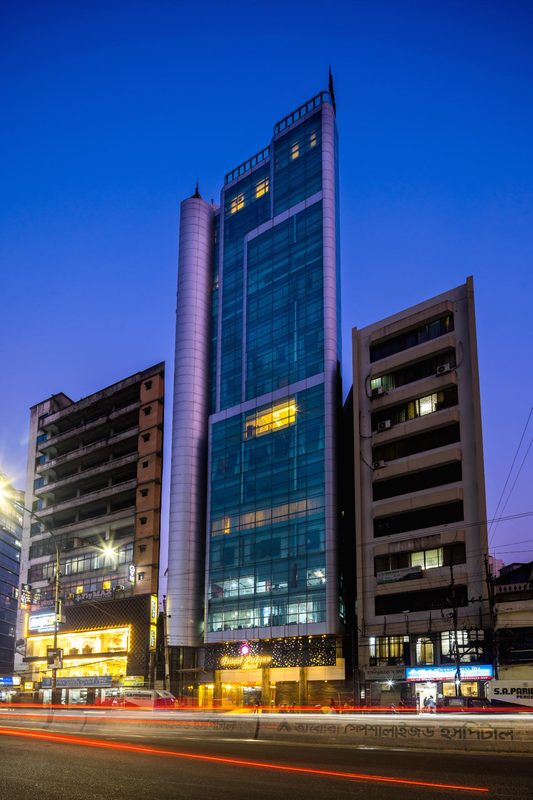
Where to Stay in Dhaka in May
Hand-picked hotels across price tiers for May travellers.

Public Holidays in May
Dates that affect opening hours, transport and crowds
মে দিবস
Known in English as Labour Day. Observed nationwide as a public holiday.
মে দিবস
Known in English as Labour Day. Observed nationwide as a public holiday.
Packing Checklist
Bookmark this page — your progress is saved between visits
Need the full list with shopping links?
Climate-specific gear, brand recommendations, and what to leave at home.
View Dhaka Packing List →Essential Tips
Insider knowledge and common pitfalls to avoid
Insider Knowledge
Dhaka's traffic is not a problem you solve. It is a condition you design around. The window from 6 AM to 8 AM is when the city moves: roads are open, rickshaws glide rather than gridlock, and you can cross from Gulshan to Old Dhaka in thirty minutes instead of two hours. Plan every major outing to start before dawn and retreat to your accommodation or a nearby restaurant by mid-morning. The second usable window opens around 5 PM. The hours between 10 AM and 4 PM are for air-conditioned spaces; museums, restaurants, your hotel. Fighting this rhythm will exhaust you faster than the heat will. Respect the rhythm.
CNG auto-rickshaws (compressed natural gas three-wheelers) are the practical way to move medium distances. But in May's rain they offer zero weather protection. The ride-hailing apps that operate in Dhaka provide air-conditioned sedans that cost modestly more than a CNG but keep you dry and cool between stops. During nor'westers, increase pricing spikes and availability drops. If you see a storm building, book your ride immediately or wait it out where you are rather than wading to a main road. Act fast.
The old-line sweet shops of Old Dhaka, some operating continuously for three or four generations along Nawabpur Road and near Chowk Bazar, serve roshogolla, chomchom, and mishti doi that bear no resemblance to what passes for Bengali sweets outside Bangladesh. In May, the seasonal specialty is aam doi; mango-infused yogurt set in small clay pots that keep it cool. The clay imparts a faint earthy note to the mango's sweetness. Ask your guide to include a sweetshop stop. These places don't appear on maps or apps, and the proprietors often won't serve you unless someone local introduces you. Go with a local.
Hatirjheel, the reclaimed lake-and-walkway corridor that cuts through central Dhaka, is the city's pressure valve on May evenings. After 6 PM the elevated walkways fill with families, joggers, and couples, and the breeze off the water drops the felt temperature noticeably. The pedestrian bridges are lit up and the reflections on the water make for good low-light photography. This is where Dhaka residents go to breathe when the streets feel too compressed. Joining them in the evening walk gives you a glimpse of the city as its residents live it rather than how tourists typically experience it. Go at dusk.
Avoid These Mistakes
Scheduling outdoor sightseeing between 11 AM and 4 PM is a mistake. First-timers look at a map, see that Lalbagh Fort and Ahsan Manzil are close together, and plan a midday walking route connecting them. By noon on a May day in Old Dhaka, the temperature in the narrow lanes, trapped between concrete walls with no airflow, can feel several degrees hotter than the official reading. Heat exhaustion is a real risk, not a theoretical one. Do your walking at dawn, retreat by 9:30 AM, and go back out at 5 PM. Avoid midday.
Underestimating Dhaka's distances in travel time rather than kilometres. The city is not large by area. Central Dhaka is roughly 15 km (9.3 miles) across. A journey from Uttara to Sadarghat takes twenty minutes at 3 AM. That same trip takes two to three hours in daytime traffic. That is on a dry day. Rain makes it worse. Every plan you make in Dhaka should be measured in hours of transit, not kilometres. Cluster activities by neighbourhood. Do not zigzag across the city.
Drinking tap water or eating unpeeled fruit from street carts without washing. This sounds obvious. It catches experienced travelers who have handled street food safely in Bangkok or Mexico City. Dhaka's water infrastructure is different. The combination of May heat and unfamiliar bacteria will produce gastrointestinal distress within twenty-four hours for most newcomers. Stick to sealed bottled water. Eat fruit you peel yourself. Choose food stalls with high turnover. The ones with a queue of locals are turning ingredients fast enough that nothing sits in the heat.
Ready to plan your trip to Dhaka?
Now that you've got the research covered, here's where to go next.
Explore More Activities in Dhaka
Didn't see anything interesting yet?
Browse Viator's full catalog of tours, day trips, food experiences, and private guides in Dhaka.
See All Dhaka Tours on Viator